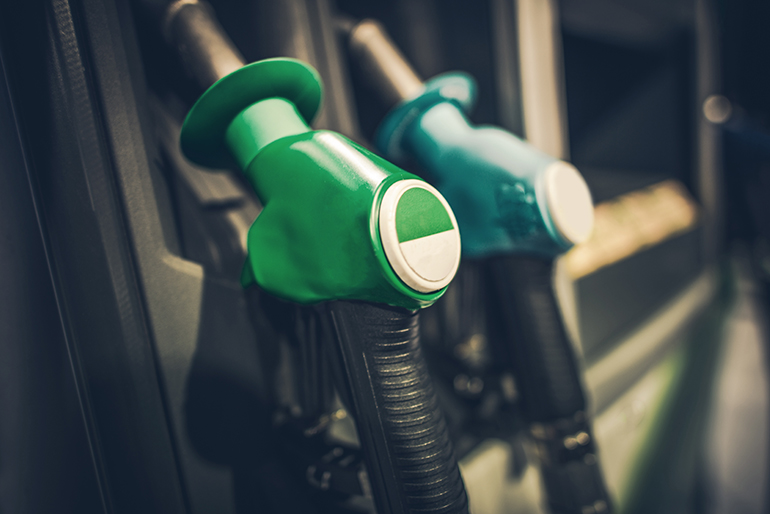
The Ministry of Petroleum and Mineral Resources (MoPMR) raised prices of all types of Octane gasoline, Compressed Natural Gas (CNG) for cars, and butane, effective March 10. The decision came “due to the exceptional circumstances in the international energy markets”, according to a statement by the Ministry of Petroleum and Mineral Resources(MoPMR).
According to the decision, fuel prices at the pump will be as follows:
95 Octane Gasoline: EGP 24.00 per liter compared to EGP 21
92 Octane Gasoline: EGP 12.25 per liter compared to EGP 19.25
80 Octane Gasoline: EGP 20.75 per liter compared to EGP 17.75
Compressed Natural Gas for Cars: EGP13 compared to EGP 10
Domestic butane gas cylinder (12.5 kg): EGP275 compared to EGP 225
Commercial butane gas cylinder (25 kg): EGP550 compared to EGP 450
The MoPMR statement noted that the geopolitical developments in the Middle East and their direct impact on global energy marketshave led to a significant increase in the costs of imports and domestic production.
It elaborated that the disruptions in supply chains, elevated risk levels, and rising maritime shipping and insurance costs have resulted in a major surge in global prices for crude oil and petroleum products, reaching levels the energy markets haven’t witnessed in years.
Since the direct conflict between Israel and Iran escalated with the launch of “Operation Epic Fury” on February 28, 2026, Brent crude oil prices have experienced extreme volatility, surging from approximately $72 to a peak of $119.50 on March 9 before retreating to roughly $94 per barrel today, March 10, following hints of de-escalation.
In the face of these challenges, the country is continuing its efforts to bolster domestic production and drive exploration and development of Egypt’s oil and gas resources. This is being achieved by incentivizing investment partners to expand their activities, as part of a broader framework aimed at reducing the national import bill.
The government is closely monitoring market developments and costs, said the statement, within the framework of ensuring the sustainability of petroleum product and gas supplies for citizens and all sectors of the State. Furthermore, it underscores that these exceptional measures are a responsible response to global challenges, with energy security and local market stability remaining the primary priorities.
The government raised the fuel prices twice last year, in April and October, to phase out fuel subsidies under its structural reform agreement with the IMF
It said in October that “it will freeze the prices without any increases for a minimum of one year amid the ongoing developments locally, regionally, and globally.”