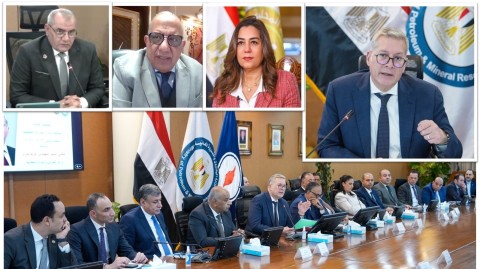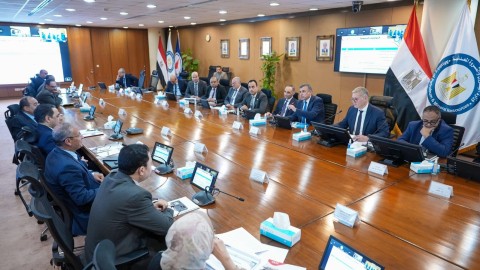
The Egyptian General Petroleum Corporation (EGPC) concluded a two-day forum to discuss the strategy for transitioning to “Performance-Based Contracting Models”(PBC) in well drilling deals. PBC is a procurement model based on linking payment directly to measurable outcomes and predefined service levels, rather than the traditional way, where companies were simply paid for the hours worked and the materials used.
This shift is part of the roadmap to achieve the ambitious goals of the state’s five-year plan, which prioritises doubling production rates to secure Egypt’s energy needs through the adoption of advanced contractual mechanisms that keep pace with global developments.
Held under the auspices of Salah Abdel Kerim, EGPC’s CEO, the forum witnessed the introduction of a new vision aimed at shifting the awarding philosophy from ‘lowest price’ to ‘best performance at the lowest total cost.
The new system aims to implement turnkey contracts and integrated project management contracts in the drilling sector, to reduce drilling time, accelerate the integration of wells into the production map, and attract advanced technologies by linking contractor profitability to actual performance.
The workshop featured intensive presentations from leading global service companies, which affirmed their readiness to assume risks in return for incentives and to support the EGPC’s shift to modern well‑drilling contracting models. Some of the companies gave examples of their track record in projects that align with the new approach.
SLB highlighted its “Efficiency By Design” approach, showing how advanced digital tools can cut wasted time and speed up drilling, allowing more wells to be completed faster. It also introduced turnkey contracts with fixed prices per well, moving from just renting equipment to real partnerships focused on production results.
Baker Hughes highlighted integrated solutions through a Project Management Office structure, drawing on regional experience such as drilling over 200 wells in Saudi Arabia and saving $21 million in the UAE by improving efficiency in complex wells. The company demonstrated its ability to merge advanced engineering with supply chain management and contractor oversight to deliver production-ready wells at top quality.
As for Halliburton, it presented its “Risk & Reward” model, where contractors earn incentives for exceeding planned performance, turning risks into opportunities. It introduced a unified project management structure in Egypt that ensures single-point responsibility, reducing conflicts and speeding decision-making.
Weatherford concluded with its Integrated Services Portfolio, focusing on “Cost Certainty” and showcasing experience in delivering over 3,750 wells worldwide, including major turnkey projects in Iraq, Oman, and Saudi Arabia. Its Target Cost model, based on Gain/Pain Share, ensures transparency and commitment by sharing savings or overruns, aligning both parties to production timelines.
EGPC confirmed a flexible, gradual approach to implementation. Turnkey or Integrated Service models will be selected based on the specific nature and risk profile of each field. The corporation agreed to launch a pilot phase on selected wells to measure economic returns accurately before a full-scale rollout.