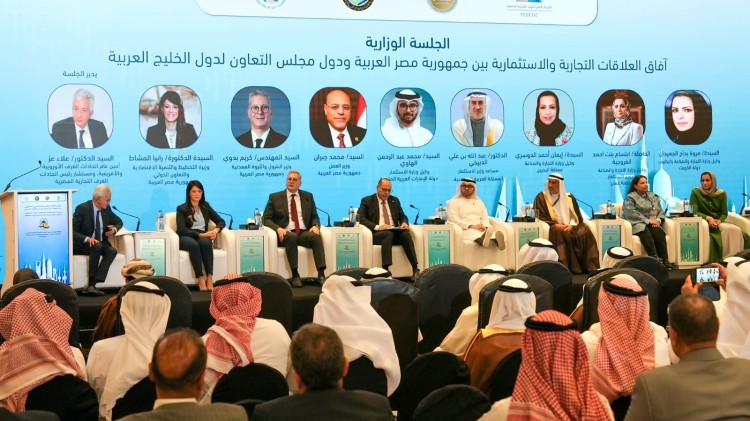
Egypt possesses a robust infrastructure in the oil and gas sector, and this infrastructure is fully leveraged to strengthen the country’s position as a regional hub for energy trade and exchange, said Karim Badawi, the Minister of Petroleum and Mineral Resources, during the Egypt-Gulf Cooperation Council (GCC) Trade and Investment Forum.
Badawi noted that there are “promising” opportunities to improve cooperation with the private sector in the Arab world. He highlighted the cooperation with the Emirate of Fujairah in the UAE to establish a petroleum products trading hub on the Mediterranean Sea.
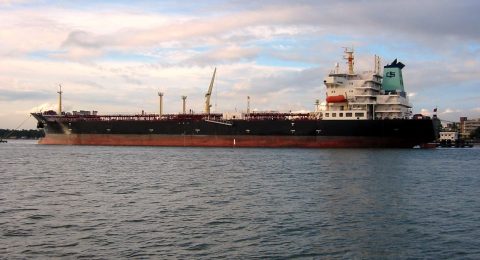
In October, Egypt and the Emirate of Fujairah signed an agreement to establish an Egyptian shareholding company to handle the development of a logistics zone in the Mediterranean basin at El-Alamein. The project aims to store and trade petroleum products in the Mediterranean. It also involves upgrading and expanding El-Hamra Port in cooperation with the Fujairah Oil and Gas Corporation. A second agreement was also signed for storing crude oil at El-Hamra Port’s facilities.
He highlighted the Ministry’s incentives to encourage partners to inject new investments, which eventually boost exploration activities and increase oil and gas production.
In this respect, Badawi referred to Arab partners such as UAE Mubadala Petroleum, QatarEnergy, which is expanding its exploration areas in the Mediterranean, UAE Dragon Oil, a key producer in the Gulf of Suez, and Kuwait Foreign Petroleum Exploration Company (KUFPEC).
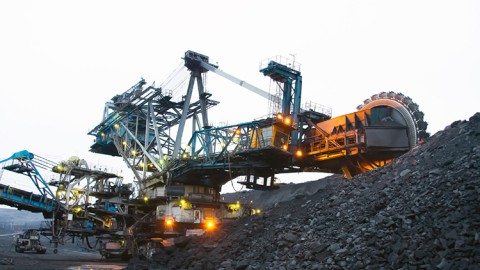
In terms of the mining sector, Badawi noted the recent development it witnessed through new legislative reforms, seeking a more attractive investment environment. Furthermore, Badawi affirmed Egypt’s interest in cooperating with the Arab private sector in projects that generate added economic value, particularly in the petrochemical industry. He highlighted the current the cooperation in MOPCO and Abu Qir Fertilizers complexes.
He also called for greater utilization of the expertise and capabilities of Egyptian oil and gas companies operating abroad. This includes the Engineering for the Petroleum and Process Industries (ENPPI), Egyptian Maintenance Company (EMC), Petroleum Projects and Technical Consultations Company (PEROJET), Modern Drilling Company (MDC) and Egyptian Drilling Company (EDC).
The minister further highlighted the Egypt–Saudi Arabia electrical interconnection project as a model of integration in regional energy. The project is designed to transmit up to 3,000 megawatts of electricity, comprising three major substations (in eastern Saudi Arabia, Tabuk, and Badr east of Cairo) through approximately 1,350 kilometers of overhead lines and submarine cables. Currently, the project is in its second phase and is expected to begin operations by April 2026.
Running under the theme “a Roadmap to Strengthening Egyptian-Gulf Economic Cooperation”, the two day forum was organized by the Ministry of Foreign Affairs and the general secretariat of the GCC, in cooperation with the Ministry of Investment and Foreign Trade, the Federation of Egyptian Chambers of Commerce (FEDCOC), the Federation of Gulf Chambers (FGCCC) and the General Authority for Investment and Free Zones (GAFI).