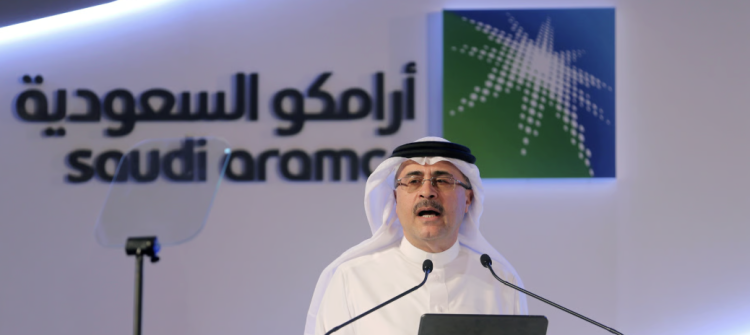
Global oil stockpiles have fallen to critically low levels, leaving markets exposed to further supply pressure unless the Strait of Hormuz fully reopens, Saudi Aramco CEO Amin Nasser said.
“Until Hormuz fully re-opens and confidence returns, the crude reality is that pressure at both ends of the barrel will intensify,” Nasser said at the Energy Intelligence Forum in London on Monday. “While the squeeze on crude is serious, refined fuel prices have risen even more sharply.”
Nasser said global oil consumption continues to rise and countries will need additional supplies for at least the next two years as they rebuild inventories. This could add at least 2 million barrels per day to demand, or more if governments increase their emergency stockpiles.
When the US-Iran war began, global oil stocks stood at about 10 billion barrels, Nasser said. That figure has since fallen below 6 billion barrels, with only about 10% practically available because of technical restrictions.
Nasser said releasing part of the remaining stocks could give economies more time but would not resolve the supply-demand imbalance. Gulf producers are increasing production and exports, bringing crude flows close to prewar levels.
Saudi Arabia, the UAE, and Kuwait have also been using their own tankers to move crude through the Strait of Hormuz, which has remained partly obstructed since the US and Israel attacked Iran in late February.
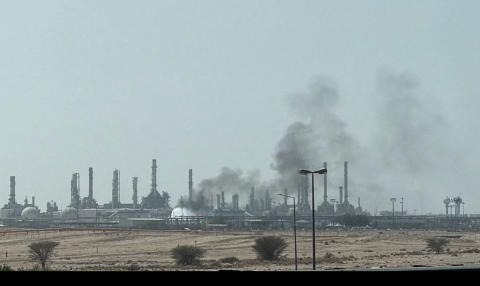
Earlier in September, Saudi Arabia restarted Yanbu crude and refined-product loadings after reopening the East-West Pipeline. Kpler estimated throughput at 2.65 million barrels per day, with a return to about 5.5 million bpd expected to take another month.