Still performing strongly in its post-COVID economic trajectory, Egypt’s energy sector throughout 2024 has witnessed a productive year of overcoming insurmountable challenges and promising reforms guaranteed to stimulate long-term growth. Under the new leadership of the nation’s new Minister of Petroleum and Mineral Resources Karim Badawi, the energy sector went through a series of substantial changes and reforms that are bound to positively impact the national economy for the year to come.
One of the most important accomplishments that Minister Karim Badawi has realized is emphasizing the vital role of the Egyptian energy sector within the national economy by contributing significantly to the nation’s economic growth. Last March, Minister of Planning and Economic Development Hala El Said, announced that the Economic and social development plan for fiscal year (FY) 2024/2025 would target a growth rate of 4.2%, after the Cabinet’s approval of the Economic and Social Development Plan for FY 2024/2025.
The plan also calls for an increase in the share of private investments to approximately 50% of total investments. It makes clear that the relative distribution of government investments includes funding for the second phase of the presidential initiative “Decent Life”—42.4% for human development, 25.4% for water and sanitation projects, 8.4% for construction projects, 7.1% for transportation and storage projects, 3.8% for energy projects, 3.6% for communication and information technology projects, 3.1% for agricultural projects, and 6.1% for other government investments.
With investments topping the agenda of Badawi since the beginning of his term, he had made great strides in ensuring that investment incentives contribute to Egypt’s general economic growth and target growth rate as announced by El Said. In August, he announced an initiative to use new mechanisms that will seek to raise production above the present levels as well as expand production operations and exploratory and developmental drilling. In order to close the gap between output and local consumption, the money made from the increased production will be used to pay off some of the partners in the petroleum sector and to supply more gas and oil. Additionally, it will help lower the monthly import bill, which will increase both parties’ financial resources, boost investment in exploration and production, and bring in money for the government. Additionally, it will improve national security by supplying more petroleum from Egyptian production.
Badawi has also worked tirelessly to secure the investments of prestigious financial organizations including the US-based Export-Import Bank (EXIM) which will pump up to $552 million. With over half a billion in funds being injected into the market, Egypt’s energy sector is set on achieving its targeted growth.
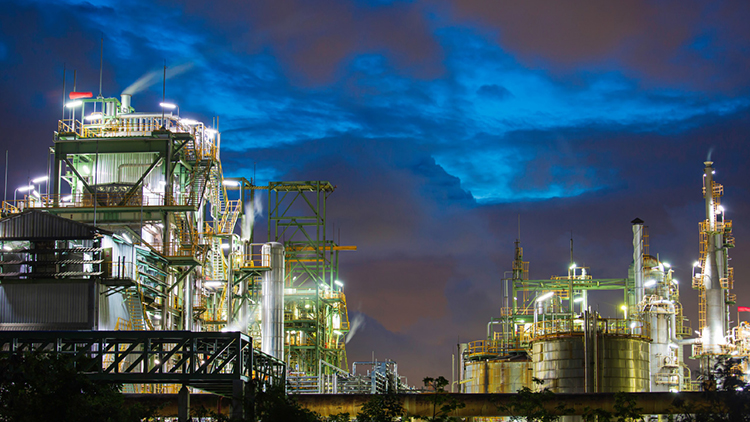
Operational efficiency has also played a key role in enabling Egypt’s energy sector to ramp up production to the appropriate levels to meet the stated objectives of the government. With the improvement of performance on the field further contributing to national growth, Badawi has also worked to maintain this momentum by pushing for an extensive digitalization agenda. This year he has held a number of talks with leading firms in digitalization, including Schneider Electric which can effectively provide the necessary solutions to boost performance onsite. His notable talks with Weatherford this September regarding digitalization also represented a significant step forward to the already impressive work being done by the company in cooperation with Khalda Petroleum Company in the Western Desert. Recently, digital technologies have been applied to the operation of 100 wells for the purpose of measuring, monitoring, and analyzing production data in real-time. So far, thirty wells have been connected to the new digital system as part of the project’s initial phase. By 2025, the next phase hopes to have completed 70 more wells. Additionally, the business is working on installing cutting-edge digital measurement equipment in storage tanks. These efforts fall within the framework of ensuring that oil and gas assets, especially in the Western Desert, contribute significantly to the national economic growth rate.
Economic policies and effective leadership are two factors that go hand in hand to make success happen. Though a lot remains to be done, Egypt’s energy sector has come a long way thanks to the efforts of the Egyptians and the ambitions of the sector’s new minister. In conclusion, it is essential that Egyptian petroleum treads a path towards turning the nation into an energy trader based on the principles of open and free market economics that incorporate advanced technologies, sustainable solutions, innovative ideas, and the firm belief that energy inclusivity is the way to the future with a diverse energy mix.